South Carolina eviction research
State context for eviction filings, plus directories of South Carolina counties and major cities. Cited volumes come from named public sources — never from a fabricated local count.
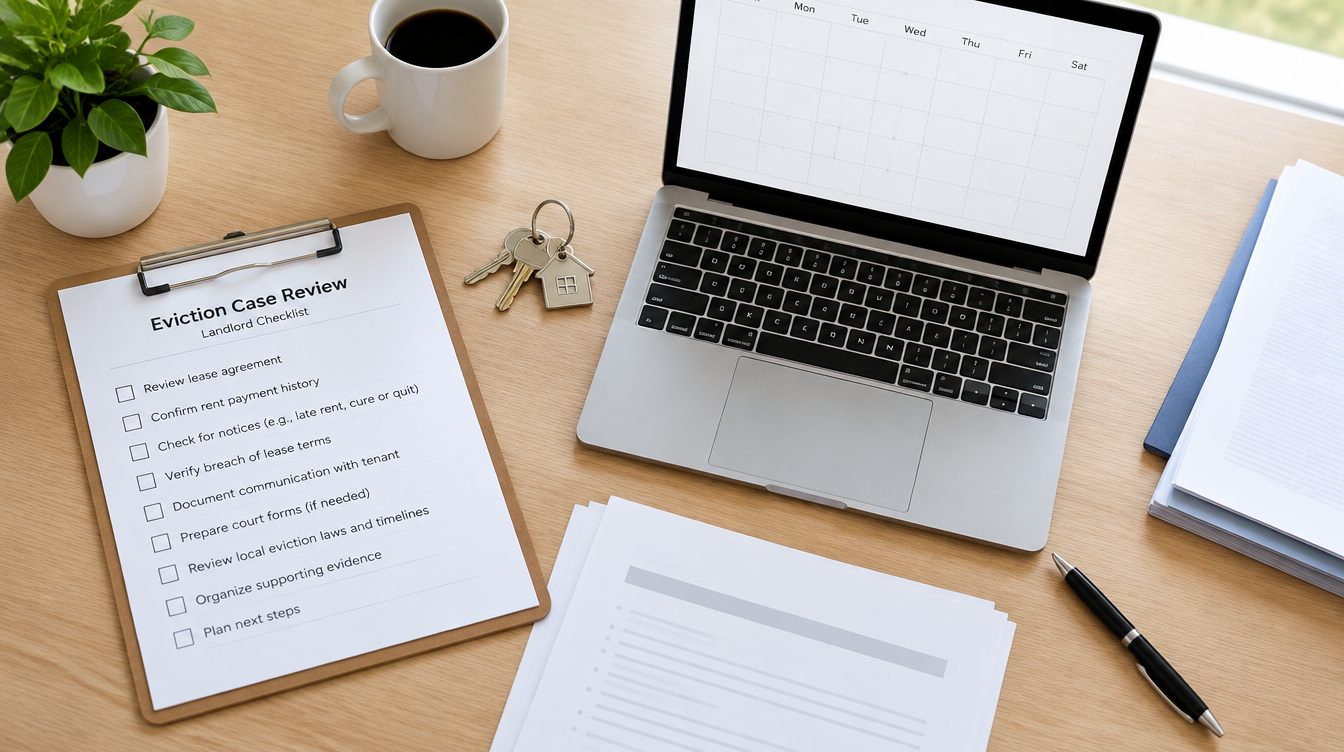
What a filing means in South Carolina
An eviction filing is a court case asking a judge for possession of a rental unit. It is not a lockout. Self-help lockouts, utility shutoffs, and removing belongings without a court process are illegal. Local courts and executing offices set their own calendars — we do not publish guaranteed timelines.
South Carolina ejectment actions are commonly heard in magistrate court in the county of the property.
EvictIQ operational timestamps (service attempts, writ applications, setout windows) are not claimed for this state. What follows is process education and public-source geography, not a field-coverage claim.
None of this is legal advice. Statutes, local rules, and court practice change.
Major cities
3 listed cities have a cited Eviction Lab 2016 judgment count or rate on the city page. State ranking extract.
Counties and county-equivalents
Every South Carolina county-equivalent has a page. Templates are intentionally thin: a filing is a court case, not a lockout, and we do not invent a county filing total when we do not have one.
All 46 South Carolina counties
- Abbeville County
- Aiken County
- Allendale County
- Anderson County
- Bamberg County
- Barnwell County
- Beaufort County
- Berkeley County
- Calhoun County
- Charleston County
- Cherokee County
- Chester County
- Chesterfield County
- Clarendon County
- Colleton County
- Darlington County
- Dillon County
- Dorchester County
- Edgefield County
- Fairfield County
- Florence County
- Georgetown County
- Greenville County
- Greenwood County
Showing the first 24 alphabetically. Use the full county index for the rest.
Using this as research, not a hire form
Eviction Labs publishes geography and method. Eviction services — if you need them — live on sister sites, not as the point of these pages.